

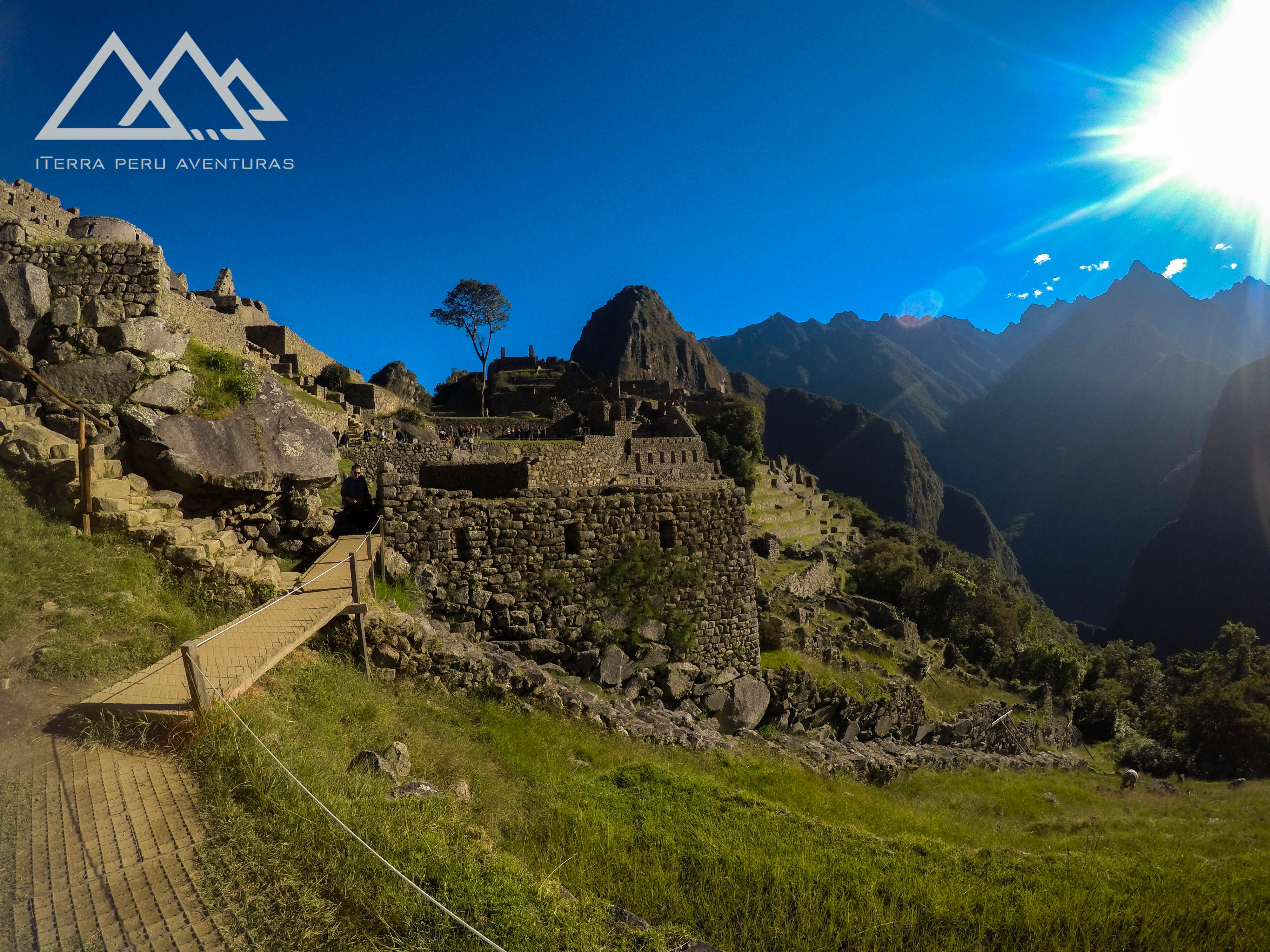
Cusco: The forced rest of Machupicchu
247 hotels and lodgings, 237 restaurants, shops and product suppliers, and 250 artisans have stopped working. This town, the center of Peruvian tourism, has been paralyzed by the quarantine that seeks to stop the coronavirus.
Last Sunday Machupicchu Pueblo got up with an unusual bustle. More than two thousand tourists from all over the world got on the Consettur buses to tour the Inca city of Machupicchu. Although the number of visitors destined for this attraction had started to drop with the coronavirus, there was nothing to suggest that the State declared a national emergency and the suspension of the transport of trains and buses to this town, the standard bearer of national tourism, within a few hours.
Machupicchu Pueblo rises now, a week later, in silence every morning. Only the sound of the river of the Incas, the Vilcanota, disturb the astonishing stillness. Above, in the Inca city, the small incan roads rest from the daily pressure.
The locals, used to the bustle and daily turmoil, have entered a forced Zen period. From forced hyperactivity, they have fallen without complaint into forced quarantine. The empty streets, the closed businesses with zero tourists and the impossibility of going up to the stone city bring to mind those 30 days of March 2010. That year, the rainy rains left several dead and thousands of victims throughout Cusco, thus like the destruction of part of the train rails. The national government then decided to close access to Machupicchu to take care of the lives of tourists. This time the closure aims to take care of the lives of all citizens of the coronavirus.
The untimely closure that April left hundreds of tourists stranded, who were evacuated by helicopter to Cusco and from there flew to their places of origin. As now, the Police and the Army were in charge of taking care of people.
Distant days
Gone are those days of streets and businesses crowded with tourists from all over the world. The town was used to receiving 2,500 more than 4,000 tourists every day. Now he began to get used to the absence and silence. The calm, however, hides deep concern. Hundreds of tourism business workers are unemployed. Very few had contracts and several were independent.
Despite the need, they took responsibility for the quarantine. In Machupicchu Pueblo, 247 hotels and lodgings, 237 restaurants, 200 stores of different types have closed their doors, together with their product suppliers and 250 people dedicated to the production and sale of handicrafts. Each business employed an average of six people.
According to a calculation by the District Municipality of Machupicchu, in 2017, the various businesses in that small town generated daily income for a total of S / 5,200,000 on average. The data places restaurants and hotels with income of S / 2 593 566, transportation with S / 1 876 489, sale of handicrafts with S / 299 656, and shops and other items with S / 39 898. This amount does not include the fence of S / 6 million raised by the Decentralized Directorate of Culture Cusco for entering the world wonder. The site, as it is known, receives in “low season” between 2,000 and 3,000 people, and in the peak period it exceeds 4,000 visits per day.
People wait locked up in their houses for the 15-day quarantine to end on March 30 and the noise returns to rule the town. Everything, however, depends on how responsible Peruvians are in complying with social isolation to flatten the contagion curve. Unfortunately, due to the irresponsibility of some, the emergency could be prolonged. Hopefully not so.

